Real Estate Investing
How to Buy Your First Rental Property: 10 Steps to Get the Numbers Right
September 3, 2026 · 12 min read
If your first rental property only works because you ignored repairs, vacancy, and maintenance, you did not buy an asset. You bought yourself a headache with a mortgage. Too many first-time investors chase passive income, tax write-offs, and freedom but skip the basics. They buy the wrong property, underestimate the cash required, and trust bad numbers. Then they wonder why the investment feels stressful from day one.
Quick disclaimer
I am a CPA, but I am not your CPA unless you hire me or my firm. This article is for educational purposes only and is not tax, financial, or investment advice. Your specific facts, market, and risk tolerance matter.
Step 1: Know what kind of deal you are trying to do
There are two basic ways to start. A straight investment property means you do not live there at all — you buy it only to rent out. House hacking means you live in part of the property and rent out the other part. The money needed is usually very different. Lenders typically want a larger down payment for a true investment property. House hacking can let you get in with less money down, learn how real estate works in real time, and let your tenants help pay the mortgage.
Step 2: Know your real cash number
This is where people lie to themselves. They think they only need a down payment. The real number includes the down payment, closing costs, cash reserves, inspection money, and repair money. If you only have enough cash to close, you probably do not have enough to buy. The first rental is where surprises happen — a leak, an appliance failure, a vacancy, a repair you did not see coming. Know your true all-in cash number before you start shopping.
Step 3: Fix your credit and clean up your debt
Better credit can help you get better loan terms. Lenders will also look at your income, savings, debt, and overall financial picture. Sellers usually want to see a pre-approval letter before taking your offer seriously. Before you tour properties, get your personal financial house in order. Lower credit card debt, clean up errors on your credit report, avoid big purchases, and do not open new accounts you do not need.
Step 4: Talk to lenders before you fall in love with a property
Do not start scrolling listings before you know what you can actually close. Ask lenders what loan product makes sense for you, what your monthly payment range would look like, what reserves they want to see, and how the loan changes if you plan to live in the property versus rent it out. Then get pre-approved. Knowing your real budget makes the search easier and protects you from wasting time on deals you cannot close.
Step 5: Pick a boring first property
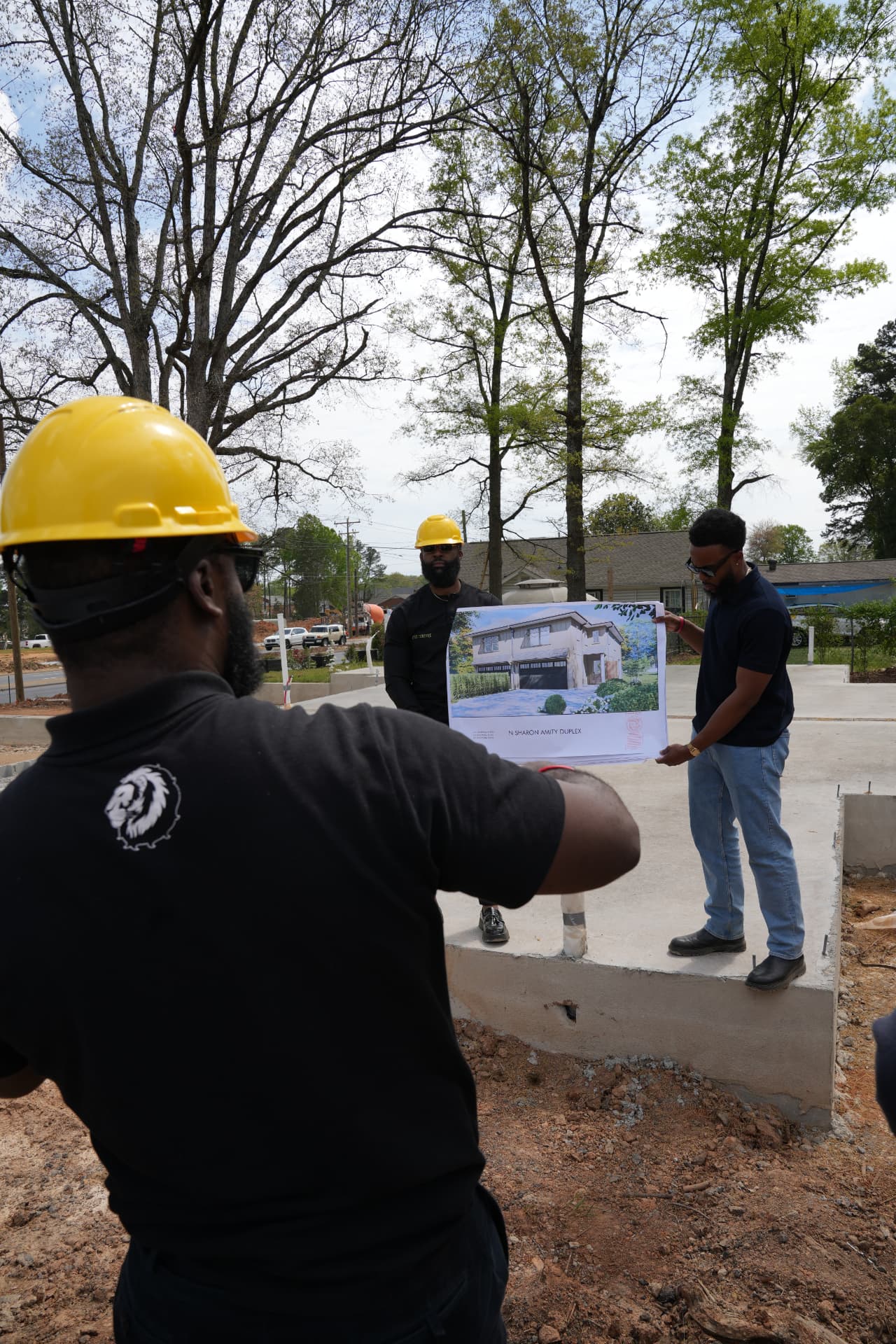
Your first rental does not need to be brilliant. It needs to be stable. A boring, clean, rentable property in a decent area is usually a better teacher than a major rehab with unknown costs. A small single-family home in a solid rental area, or a duplex if the numbers work for house hacking, is a great first move. Avoid huge renovations, massive unknowns, and restrictive HOAs. Appreciation is hope, not a strategy.
Step 6: Run the numbers like an adult
Before you buy, know four numbers: purchase price, realistic monthly rent, all-in monthly expenses, and cash left over after everything is paid. All-in expenses means mortgage, taxes, insurance, maintenance, property management, HOA, and any utilities you cover. Do not look only at the mortgage payment and call it cash flow. And do not buy a bad deal just because someone told you it is a tax write-off. The deal has to work first; tax benefits are a bonus.
Step 7: Build your team before you need your team
- 01A lender who understands investment deals.
- 02A real estate agent who thinks like an investor.
- 03A contractor or handyman you trust.
- 04A CPA who understands real estate tax strategy before tax season shows up.
Step 8: Make the offer, but protect yourself
Once the numbers work, make the offer — but do not get emotional. Use proper contingencies, inspections, and time to do due diligence. First-time investors sometimes get so excited that an offer was accepted that they stop thinking clearly. Getting accepted is not the win. Closing on the right deal is the win.
Step 9: Inspect everything and renegotiate if needed
An inspection is not optional. This is where you find out whether you are buying a rental or a repair list. A good inspector checks the roof, HVAC, foundation, plumbing, electrical, water damage, and drainage. If the report comes back ugly, you can renegotiate, ask for credits, request repairs, or walk away. Walking away is sometimes the smartest investment decision you can make.
Step 10: Close, stabilize, and run it like a business
After closing, execution matters. Get the property rent-ready, screen tenants carefully, use a real lease agreement, track every expense, and keep documents organized. Understand what is capitalized versus expensed. Once the property is stabilized, you can benefit from cash flow, loan paydown, appreciation, and tax benefits like depreciation. The right order is simple: buy right, operate well, then optimize the tax strategy.
The simplified game
- Pick the right lane: straight investment or house hacking.
- Know your real all-in cash number.
- Clean up your finances and get pre-approved.
- Buy a simple, stable first property.
- Run the real numbers, not the fantasy numbers.
- Build a strong team before you need them.
- Inspect everything and be willing to walk away.
- Operate the property like a real business.
“Not hype, not fantasy, and not random social media advice. Just disciplined decision-making over and over again.”
Want to talk through the tax side?
Book a free tax strategy call with our team. We will look at your income, goals, and the structure of your first rental so you keep more of what you earn and avoid expensive mistakes before they happen.
Key Takeaways
- House hacking can be a smarter first move than a straight investment property when cash is limited.
- The real cash number includes down payment, closing costs, reserves, inspection, and repair money.
- A boring, stable property usually beats a glamorous rehab for a first-time investor.
- Tax benefits are a bonus on a good deal — not a reason to force a bad one.
Recommended Resource
The Dental Built to Own Blueprint
The CPA-led guide to valuing, negotiating and financing a dental practice purchase — plus a call with Kingsley Ifedi, The Dental CPA.